


Where Architecture Meets Excellence

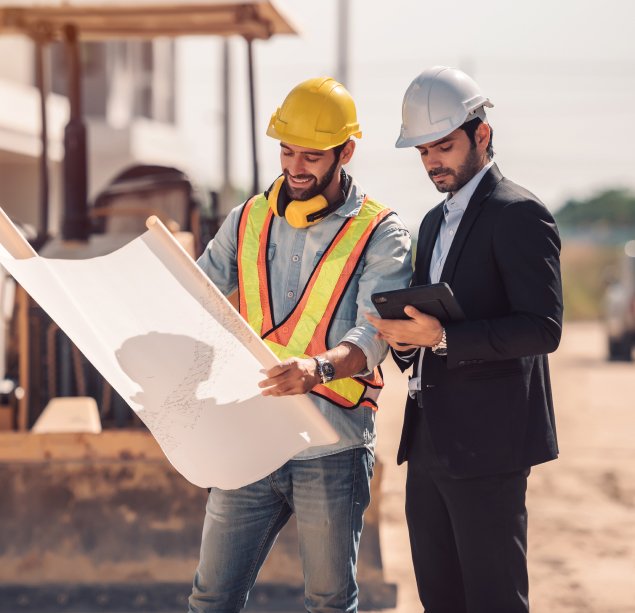
Safety remains one of the most important priorities on every construction site. Construction work involves heavy machinery, elevated structures, electrical systems, tools, materials, and other potential hazards. Following proper safety procedures, using appropriate protective equipment, maintaining machinery, keeping the site organized, and providing regular safety training can help create a safer working environment for everyone involved in the project.
Sustainable construction is becoming increasingly important in the modern building industry.
Property owners and construction professionals are looking for ways to reduce waste, improve energy efficiency, use durable materials, and create buildings with lower long-term environmental impact. Efficient building systems, responsible material selection, waste management, and better use of natural resources can contribute to more sustainable construction practices.
- It is a long established fact that a reader.
- the readable content of a page.
- when looking at its layout.
- The point of using Lorem Ipsum is that it has a more-or-less normal distribution.
- Many desktop publishing packages.
- web page editors now use Lorem Ipsum as their default model text.
- Various versions have evolved over the years, sometimes by accident.
Today, construction is not only focused on creating strong structures but also on improving efficiency, safety, functionality, and long-term durability. Advanced construction techniques, high-quality materials, modern equipment, and professional planning help create buildings that are designed to meet both present and future requirements.
Proper planning is one of the most important parts of a successful construction project. Before construction begins, every major detail needs to be carefully considered, including the building design, materials, budget, timeline, workforce, equipment, and safety requirements. A well-planned project helps reduce unnecessary delays, control costs, and ensure that each stage of construction is completed efficiently. Professional coordination between architects, engineers, contractors, suppliers, and workers also plays an important role in maintaining smooth project execution.
The quality of materials used in construction has a direct impact on the strength and durability of a building. Materials such as concrete, steel, bricks, glass, insulation, and other finishing products need to be selected according to the specific requirements of the project. Using reliable and suitable materials can improve structural performance, reduce maintenance requirements, and help extend the overall lifespan of the property.
Construction technology is also changing the industry by making projects more accurate and efficient. Modern machinery, digital planning tools, 3D modeling, surveying technology, and project management systems allow construction professionals to manage complex projects with greater precision. These technologies can help identify potential issues at an early stage, improve communication between teams, and make it easier to monitor project progress.